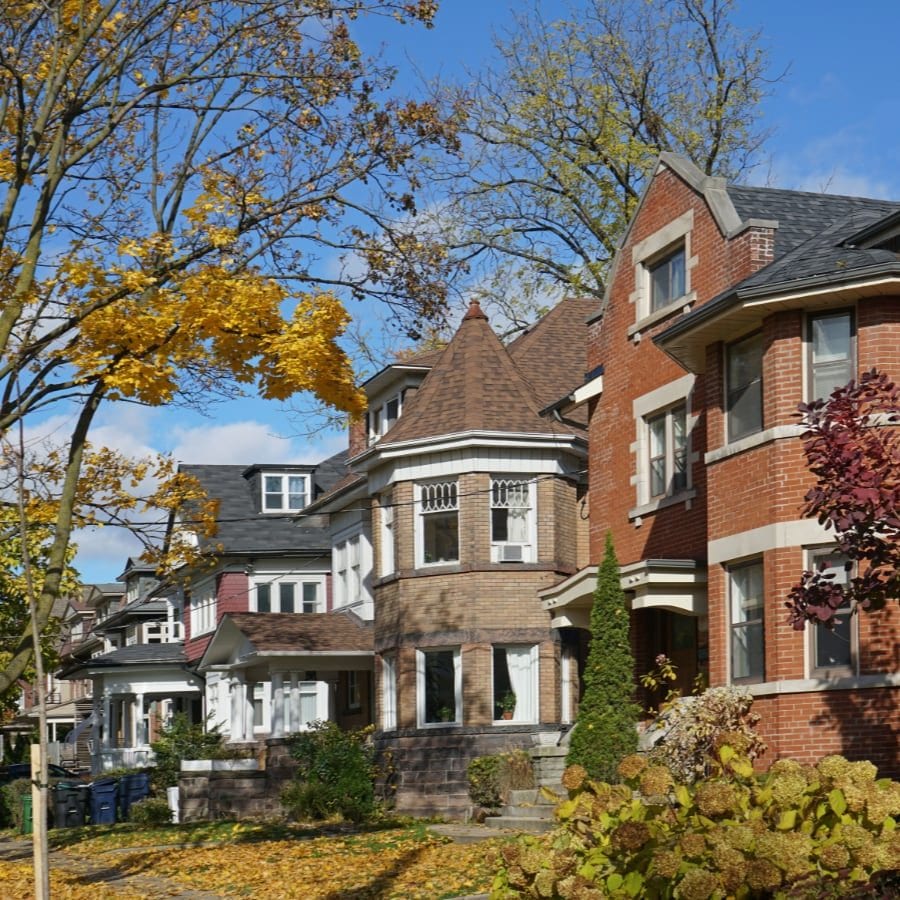

When you begin the journey of buying a home, you may encounter a host of unfamiliar terms. From “APR” to “Loan to Value,” understanding these terms is key to understanding the mortgage process with confidence.
Our glossary is designed to simplify the language of mortgages, empowering you to make the best financial decisions. Whether you’re a first-time homebuyer or simply looking to brush up on the basics, you’ll find clear, easy-to-understand definitions here. Check out our FAQs on mortgages for even more detailed information.
An Adjustable-Rate Mortgage (ARM) starts with a fixed interest rate for a set period, after which the rate adjusts periodically based on market conditions. With an ARM, the interest rate and monthly payment may start out lower than a fixed-rate mortgage, but both the interest rate and monthly payment can increase substantially.
Amortization refers to the gradual repayment of your mortgage through scheduled payments over the loan term. Each payment includes a portion for principal and interest. Some home loans allow payments that cover only the amount of interest due, or an amount less than the interest due. If payments are less than the amount of interest due each month, the mortgage balance will grow rather than decrease.
Use our Amortizing Loan Calculator to estimate your repayment schedule.
APR, or Annual Percentage Rate, represents the total cost of borrowing, including interest, fees, and any points, expressed as an annual rate. It helps compare the overall expense of different loan offers. Learn how APR is calculated and what it means for your loan
A down payment is the initial payment you make toward the cost of your home, typically expressed as a percentage of the purchase price. Larger down payments can reduce the loan amount and monthly payments.
The difference between the home’s market value and the remaining mortgage balance.
Earnest money is a good-faith deposit made by a buyer when signing a home purchase agreement. It shows commitment to the transaction and is typically held in escrow by a real estate agent, title company, or attorney. If the sale closes, the deposit is applied to the down payment or closing costs. If the contract is canceled for a valid reason, the buyer usually gets a refund. If the buyer defaults, the seller may keep the earnest money.
A fixed-rate mortgage maintains the same interest rate and monthly payment throughout the entire loan term, offering stability and predictability.
Interest is the cost of borrowing money, calculated as a percentage of the loan balance. It’s paid in addition to the principal and can vary based on your mortgage type and credit score.
A mortgage is a loan used to purchase a home, where the property itself serves as collateral. By agreeing to a mortgage, you commit to monthly payments until the loan is paid in full.
The term of your mortgage loan is how long you have to repay the loan over time.
The principal is the amount of money you borrow through a mortgage, not including interest or fees. Paying down the principal reduces the total balance of your loan.
A conventional loan is a mortgage not backed by a government agency, often requiring higher credit scores and larger down payments but offering competitive rates.
An FHA loan is a government-backed mortgage designed for low-to-moderate-income borrowers, requiring lower down payments and more lenient credit requirements.
A HELOC allows homeowners to borrow against the equity in their homes, providing access to funds on an as-needed basis, similar to a credit card.
A home equity loan provides a lump sum of money borrowed against your home’s equity, repaid with fixed payments over a set term.
A jumbo loan is a type of mortgage used to finance properties that exceed conforming loan limits set by the Federal Housing Finance Agency (FHFA). Jumbo Loans may have different rates than Conforming Loans.
A USDA loan is a government-backed mortgage designed for low-to-moderate-income buyers in rural areas, often offering zero down payment options.
A VA loan is a mortgage program exclusively for eligible veterans and active-duty service members, offering benefits like zero down payment and no private mortgage insurance (PMI).
Closing costs are fees and expenses paid at the finalization of a real estate transaction, covering items like appraisal, title insurance, and attorney fees. Lenders are required to provide a summary of these costs to you in the Loan Estimate.
An Escrow account is set up by your mortgage lender to pay certain property-related expenses, like property taxes and homeowners’ insurance. A portion of your monthly payment goes into the account. If your mortgage doesn’t have an escrow account, you pay the property-related expenses directly.
MIP is a fee required for FHA loans, protecting lenders against default by borrowers, typically included in monthly mortgage payments.
An origination fee is a charge by the lender to process your mortgage application, often expressed as a percentage of the loan amount.
Principal, Interest, Taxes, and Insurance, known as PITI, are the four basic elements of a monthly mortgage payment.
Prepaid interest charges are charges due at closing for any daily interest that accrues on your loan between the date you close on your mortgage loan and the period covered by your first monthly mortgage payment.
Mortgage points are a type of prepaid interest. You pay them upfront to your lender in exchange for a lower interest rate on your mortgage. Each point typically costs 1% of your total loan amount.
PMI is required for conventional loans when the down payment is less than 20%, protecting lenders in case of default.
APY measures the total amount of interest earned on a deposit account, factoring in compound interest over a year.
A credit score is a numerical representation of your creditworthiness, influencing loan approval and interest rates. Higher scores often lead to better loan terms.
DTI is all your monthly debt payments divided by your gross monthly income, helping lenders assess your ability to manage new debt responsibly.
The interest rate is the percentage charged by lenders for borrowing money, directly impacting monthly mortgage payments and overall loan cost.
LTV is the percentage of your home’s value financed by a mortgage, calculated by dividing the loan amount by the property’s appraised value. The LTV can impact loan decisions, interest rates and whether private mortgage insurance is required.
An appraisal is an evaluation of a property’s market value conducted by a licensed professional used to determine the loan amount a lender will approve.
The Closing Disclosure is a document provided to borrowers three days before closing, outlining the final terms, loan details, and all associated costs.
Foreclosure is the legal process where a lender takes possession of a property due to the borrower’s inability to meet mortgage payments.
A loan modification is a change made to the terms of an existing mortgage, often to make payments more affordable for the borrower.
A prepayment penalty is a fee that some lenders charge if you pay off all or part of your mortgage early. If you have a prepayment penalty, you would have agreed to this when you closed on your home.
Refinancing replaces an existing mortgage with a new one, typically to secure a lower interest rate, shorten the term on the mortgage, or access home equity. When you refinance, you usually have to pay closing costs and fees.
A borrower’s legal right to cancel certain refinancing loans within three business days of closing. The three-day clock does not start until you sign the credit contract (usually called the promissory note), you receive a Truth in Lending disclosure form, and you receive two copies of a notice explaining your right to rescind. NOTE: This “right of rescission” does not apply to home purchase loans.
The Settlement Statement itemizes all fees and charges related to the purchase or sale of a property, provided at closing.
A title is the legal documentation confirming property ownership, often verified and insured during the closing process to ensure clear ownership.
Title service fees are part of the closing costs you pay when getting a mortgage. When you purchase a home, you receive a document most often called a deed, which shows the seller transferred their legal ownership, or “title,” to the home to you. Title service fees are costs associated with issuing a title insurance policy for the lender.
The company responsible for managing your mortgage loan post-closing, including billing and escrow administration. Liberty Bank for Savings not only originates your mortgage loans, it also services loans.
Get the tools and insights you need to make confident, informed decisions throughout your homebuying journey:
Savings Goal Calculator – See how quickly you can save for a down payment.
Check My Rate – Stay informed on current mortgage rates tailored to you.
Get pre-approved – Take the first step with a fast, secure pre-approval and start your homebuying journey with confidence.
Home Loan Toolkit – A complete guide to understanding the mortgage process.
Documents Needed – View the checklist of documents to prepare for your loan application.
Bookmark this page to revisit it as you progress in understanding and securing the perfect mortgage for your needs. Have questions or want to talk with a Liberty Bank mortgage expert? Contact us today!
NMLS# 787575
Read our latest news and tips from your Chicago mortgage brokers with mortgage and commercial financing expertise.